


Volkswagen Announces Historic Restructuring as 100,000 Jobs Are Put at Risk
Volkswagen is preparing for the biggest restructuring in its history, with up to 100,000 jobs set to disappear by




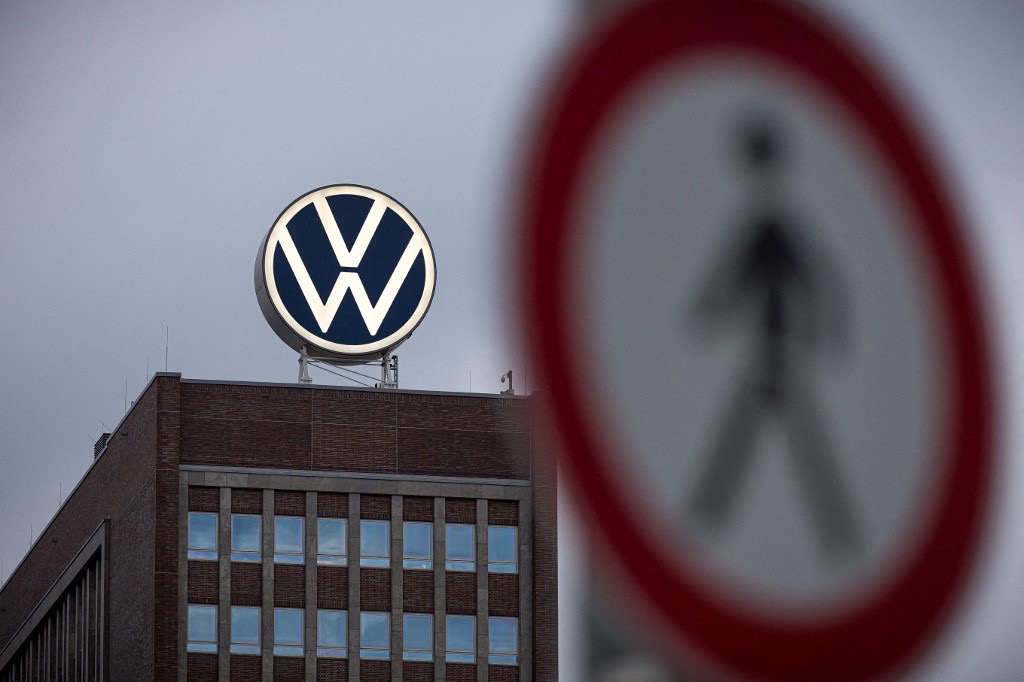
Volkswagen is preparing for the biggest restructuring in its history, with up to 100,000 jobs set to disappear by 2030. The German automotive giant is also planning to significantly reduce its model range and scale back production at several German plants as it attempts to regain competitiveness.
Volkswagen’s supervisory board approved the company’s new “Future Plan 2030” on Thursday, September 3. The agreement includes around 50,000 additional job cuts worldwide, on top of reductions that had already been agreed. Together, the measures could bring the total number of positions eliminated to around 100,000 by 2030.
The scale of the restructuring makes it one of the most significant workforce reductions ever announced by a major car manufacturer.
Chinese competition puts pressure on Volkswagen
One of the biggest challenges facing Volkswagen is the rapidly changing Chinese automotive market. Chinese manufacturers have expanded aggressively, particularly in electric vehicles, offering increasingly sophisticated cars at competitive prices.
Volkswagen has struggled to maintain its previous dominance in China, while the transition toward electric vehicles has increased development and production costs. The company is also facing pressure from high energy and manufacturing costs in Europe and U.S. tariffs on imported vehicles.
The restructuring is therefore designed not only to reduce costs but also to make Volkswagen faster and more competitive.
The model range could be cut dramatically
Volkswagen is also planning to simplify its product portfolio. The company intends to reduce the complexity of its model range and focus on vehicles with stronger commercial potential.
The strategy is aimed at increasing production volumes per model while reducing the cost of developing and manufacturing numerous different variants. Volkswagen ultimately wants to sell around nine million vehicles annuallyand reach an operating margin of approximately 9% by 2030.
German factories face an uncertain future
The restructuring will have a major impact on Volkswagen’s German production network.
Four plants — Emden, Zwickau, Hanover and Neckarsulm — face changes to their production activities, with some models potentially being phased out between 2031 and 2034. The company is attempting to reduce excess production capacity in Europe, where Volkswagen currently has the ability to produce significantly more vehicles than the market demands.
However, the company reached an agreement with unions and other stakeholders to avoid an immediate confrontation over plant closures and job losses.
Investors welcomed the announcement
Despite the dramatic scale of the cuts, investors initially reacted positively. Volkswagen shares rose sharply following the announcement, reflecting expectations that the restructuring could improve profitability and make the company more efficient.
The agreement also temporarily eases tensions between Volkswagen’s management, employees and the German state of Lower Saxony, which has significant influence within the company’s governance structure.
A turning point for the German car industry
Volkswagen’s restructuring highlights the enormous pressure currently facing Europe’s traditional car manufacturers. The industry is being forced to adapt to electric vehicles, changing consumer demand, Chinese competition, high European production costs and geopolitical trade barriers simultaneously.
For Volkswagen, the coming years will be crucial. The company is betting that a smaller workforce, fewer models and a simpler corporate structure will allow it to compete more effectively in the rapidly changing global automotive market.
The plan may ultimately strengthen Volkswagen — but for tens of thousands of employees, it represents one of the most uncertain periods in the company’s history.