

How Artificial Intelligence Is Changing Our Everyday Lives
Artificial intelligence, commonly known as AI, is no longer something that belongs only in science-fiction movies. It has quietly






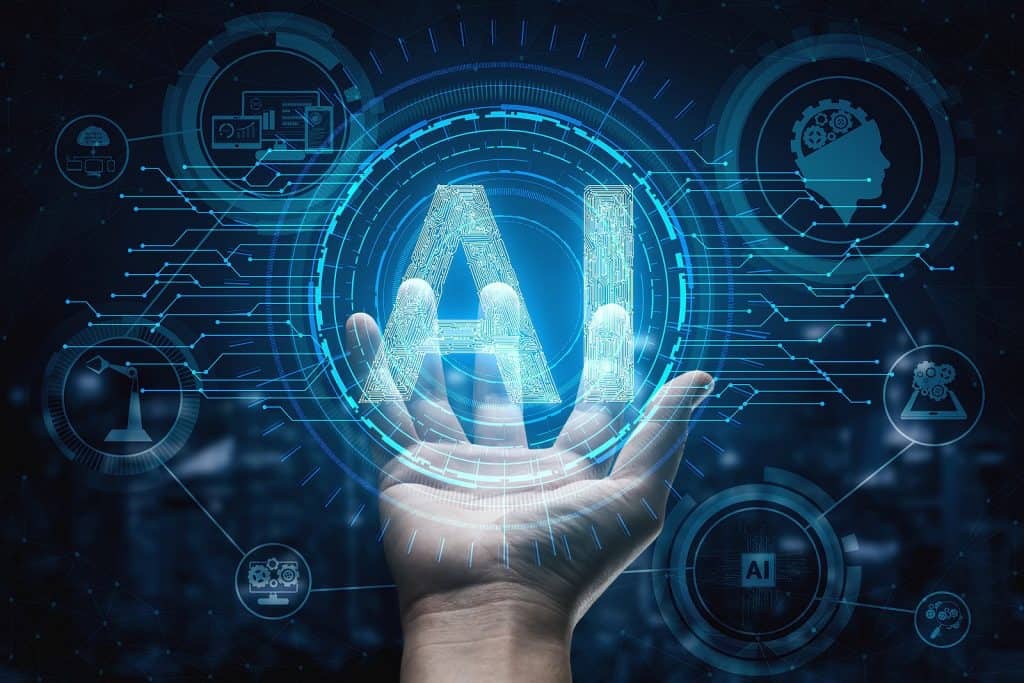
Artificial intelligence, commonly known as AI, is no longer something that belongs only in science-fiction movies. It has quietly become part of everyday life, changing the way people work, communicate, study and entertain themselves.
From smartphones and social media to online shopping and navigation apps, AI is increasingly working behind the scenes. In many cases, people use AI every day without even realizing it.
AI at Work
One of the biggest changes can be seen in the workplace. AI can help employees analyze large amounts of information, write texts, create presentations, organize schedules and automate repetitive tasks.
For businesses, this can save time and reduce costs. However, the rapid development of AI has also created concerns about jobs. Some traditional tasks may eventually be performed by machines, meaning workers will need to develop new skills and adapt to changing demands.
A New Way to Learn
Education is another area where AI is making a significant impact. Students can use AI-powered tools to explain difficult subjects, practice languages, generate ideas and receive personalized assistance.
However, AI should be used as a learning tool rather than a replacement for independent thinking. If students simply copy AI-generated answers, they may miss the opportunity to develop their own knowledge and problem-solving skills.
Entertainment and Social Media
AI is also transforming entertainment. Streaming platforms use algorithms to recommend films, series and music based on users’ previous choices. Social media platforms similarly analyze user behavior to determine which content appears on their feeds.
This can make digital platforms more enjoyable and personalized, but it also raises questions about how much influence algorithms have over what people see and think.
The Challenges of AI
Despite its advantages, artificial intelligence comes with serious challenges. False information, deepfake videos, privacy concerns and the possibility of job displacement are among the issues society must address.
Another important question is responsibility. When an AI system makes a mistake, it is not always obvious who should be held accountable. Governments, companies and individuals will all have to play a role in establishing responsible rules for the technology.
The Future Is Already Here
Artificial intelligence is developing at an extraordinary speed, and its influence will probably continue to grow. The question is no longer whether AI will change our lives, but how we will choose to use it.
Used responsibly, AI can save time, improve productivity and give people access to new opportunities. But technology should remain a tool that serves people rather than something that controls their decisions.
The future of AI is still being written—and society will have an important role in deciding what that future looks like.