

Hungarian Blues Legend Deák Bill Gyula Dies at 77
Hungary’s music scene has been plunged into mourning following the death of Deák Bill Gyula, one of the country’s





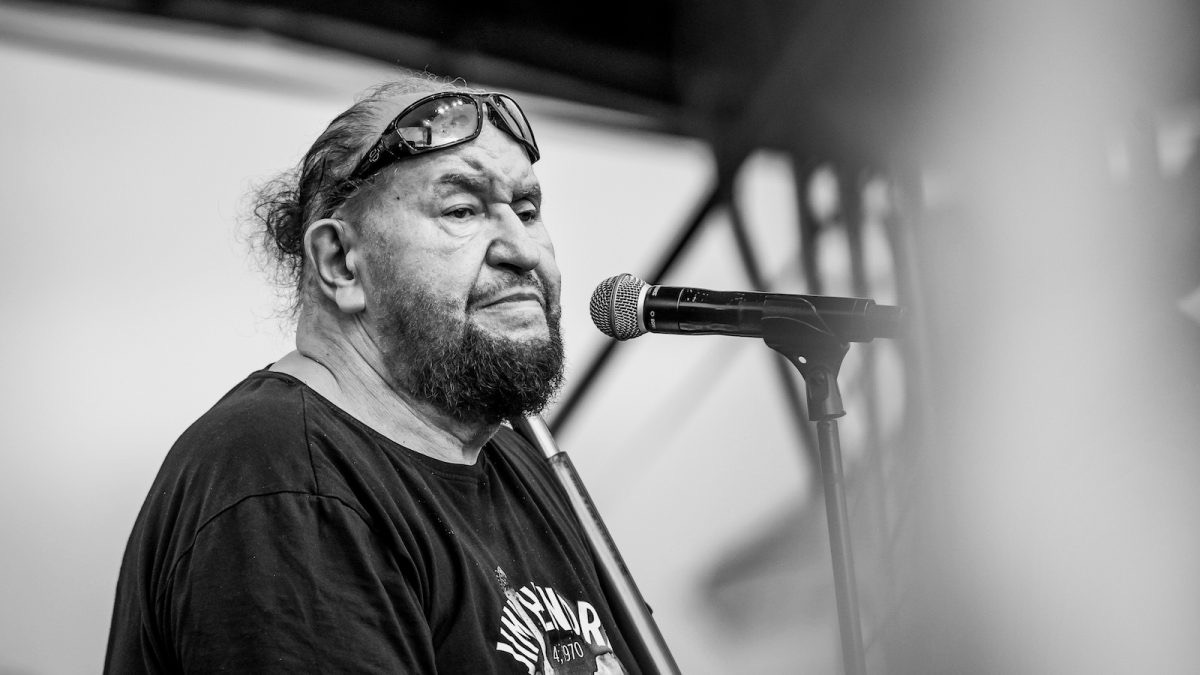
Hungary’s music scene has been plunged into mourning following the death of Deák Bill Gyula, one of the country’s most influential blues singers. The legendary performer died on September 17, 2026, at the age of 77. His death was announced on his official social media page.
According to the statement shared by his family, Deák Bill died unexpectedly following what had been described as a successful operation. Later reports said that he suffered sudden cardiac arrest after a pacemaker implantation in Zalaegerszeg.
Known affectionately as the “King of Hungarian Blues,” Deák Bill built a career spanning more than five decades. Born in Budapest’s Kőbánya district in 1948, he originally dreamed of becoming a footballer. At the age of 11, however, he lost one of his legs following a medical error during surgery. Music subsequently became the defining force of his life.
His powerful voice quickly established him as a distinctive figure in Hungarian rock and blues. He performed with several bands before joining the legendary Hobo Blues Band, where he became one of the defining voices of the group. He also appeared in the 1981 film Kopaszkutya, further strengthening his status within Hungary’s rock culture.
Deák Bill was also celebrated for his theatrical performances. One of his best-known roles was Torda, the táltos, in István, a király, one of Hungary’s most famous rock operas. Over the years, he also released numerous solo albums and performed with his own group, the Deák Bill Blues Band.
His career earned him numerous honors, including the Artisjus Award, the Fonogram Lifetime Achievement Award, the Knight’s Cross and Officer’s Cross of the Order of Merit of Hungary, and the Pro Urbe Budapest award. In 2026, he was also awarded the Máté Péter Prize.
Remarkably, Deák Bill remained active until the final months of his life. He continued performing and had been touring with his Rossz vér tour during 2026. He also appeared at the Sziget Festival in August, demonstrating that performing remained an important part of his life until the end.
His death marks the passing of one of the most recognizable voices in Hungarian blues and rock. For generations of Hungarian music fans, Deák Bill Gyula was more than a singer: he was a symbol of perseverance, individuality and the enduring power of music.