
Hungarian Fashion on the Rise: Designers, Events, and a New Creative Energy
In recent years, Hungary’s fashion scene has undergone a striking transformation. Once seen as a niche segment within Central
In recent years, Hungary’s fashion scene has undergone a striking transformation. Once seen as a niche segment within Central Europe, it is now emerging as a dynamic creative hub where tradition meets bold experimentation. From innovative designers to high profile events, Hungarian fashion is carving out a distinct identity on the global stage.
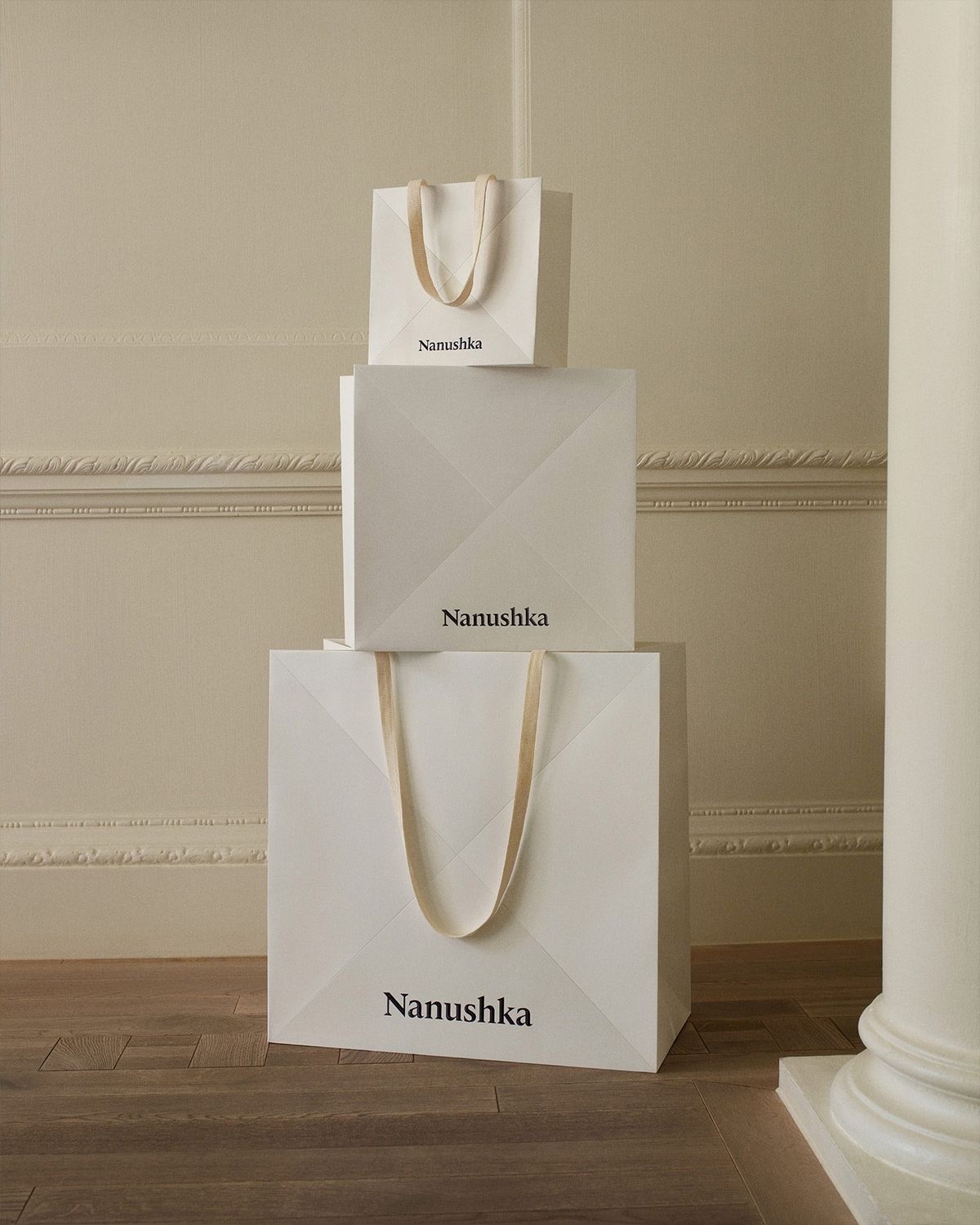
At the heart of this movement is a new generation of designers who are redefining what it means to create from Budapest. Brands like Nanushka, founded by Sandra Sandor, have gained international recognition for their minimalist aesthetic and sustainable approach. Similarly, AERON blends modern tailoring with timeless elegance, appealing to a global audience while maintaining a strong Hungarian identity.
The local fashion ecosystem is supported by key institutions such as the Hungarian Fashion & Design Agency, which plays a crucial role in promoting emerging talent and organizing industry events. Through mentorship programs, international collaborations, and funding opportunities, the agency has helped elevate Hungarian designers onto the world stage.
One of the most important showcases is Budapest Central European Fashion Week, held twice a year in Budapest. The event brings together designers from across the region, offering a platform for both established names and up and coming creatives. It has become a key meeting point for buyers, influencers, and media, contributing to the growing visibility of Hungarian fashion.
Beyond the runway, Budapest’s vibrant cultural scene continues to inspire designers. The city’s mix of historic architecture, contemporary art, and underground creativity feeds into collections that feel both rooted and forward-thinking. Concept stores, pop up exhibitions, and independent workshops are thriving, creating a close knit yet increasingly international community.
Sustainability is also becoming a central focus. Many Hungarian designers are exploring eco-conscious materials, ethical production methods, and slow fashion principles. This shift reflects a broader global trend, but in Hungary, it is often combined with a strong emphasis on craftsmanship and local production.
Despite challenges such as limited market size and international competition, the Hungarian fashion industry shows no signs of slowing down. With continued institutional support, growing global interest, and a steady stream of fresh talent, it is poised to become an influential player in the wider European fashion landscape.
Hungarian fashion today is not just about clothing it is a reflection of cultural identity, innovation, and ambition. As designers continue to push boundaries and events gain international attention, Hungary is proving that it has a unique and compelling story to tell in the world of fashion.