

Anak Krakatau Eruption Disrupts Indonesian Air Travel as Volcanic Ash Spreads Across Indonesia
JAKARTA, Indonesia – Indonesia is facing major travel disruptions after the Anak Krakatau volcano erupted repeatedly, sending large clouds of






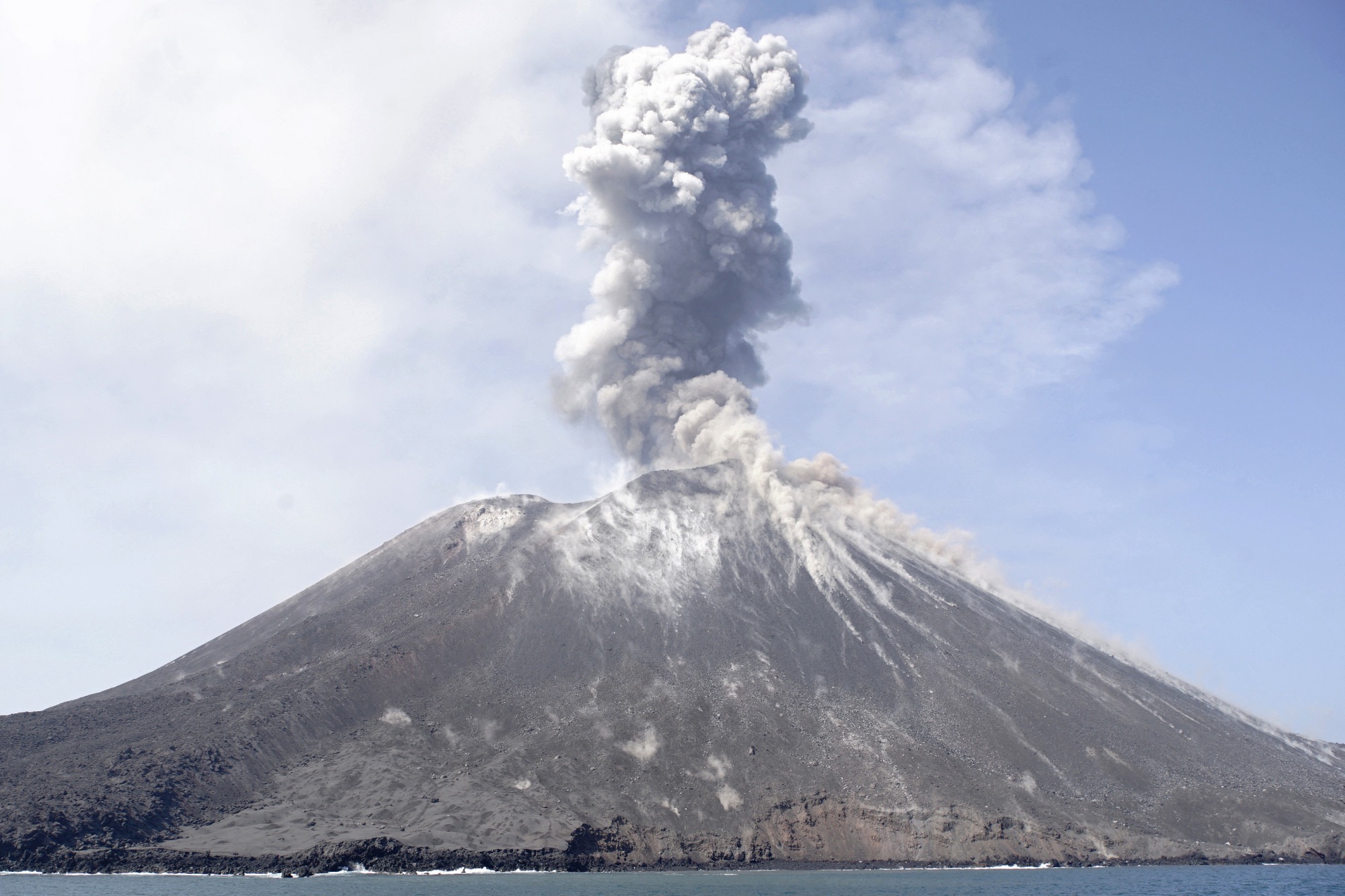
JAKARTA, Indonesia – Indonesia is facing major travel disruptions after the Anak Krakatau volcano erupted repeatedly, sending large clouds of volcanic ash into the atmosphere and forcing several airports to suspend operations.
The eruption, which began late last week, has affected airports across western Indonesia. By Monday, more than 2,300 flights had been disrupted, affecting over 270,000 passengers, according to Indonesian authorities. Seven airports, including two serving Jakarta, remained closed because of volcanic ash in the airspace.
Major airports affected
Jakarta’s main international gateway, Soekarno-Hatta International Airport, remained closed on Monday as authorities monitored the movement of volcanic ash. Strong and dry winds were contributing to the spread of ash, creating a serious risk to aircraft engines and other critical systems.
Passengers have faced long delays and cancellations, with crowded terminals reported at several airports. Airlines have cancelled or rescheduled services, while travelers have been advised to check directly with their airlines before heading to the airport.
Ash clouds reach high altitudes
The eruptions have produced ash columns reaching as high as 50,000 feet (about 15,000 metres). Volcanic ash has spread toward populated areas, including Jakarta and parts of Sumatra.
Authorities have urged residents in affected regions to wear masks outdoors and limit exposure to volcanic ash. Some schools in Jakarta and other provinces have also moved classes online because of concerns over air quality.
Despite the disruption, Indonesian authorities have not ordered a mass evacuation. People are being advised to stay at least three kilometres from the volcano’s crater, while officials continue to monitor its activity.
Memories of the 2018 disaster
Anak Krakatau is located in the Sunda Strait between the Indonesian islands of Java and Sumatra. The volcano is part of the same volcanic system associated with the catastrophic 1883 Krakatau eruption, one of the most destructive volcanic events in recorded history.
The volcano also caused international concern in 2018, when a major eruption and subsequent collapse triggered a tsunami that killed more than 400 people. Authorities are therefore closely monitoring the current activity, although officials have said there is currently no immediate tsunami threat.
Authorities remain on alert
Although the intensity of the eruption has begun to ease, intermittent volcanic activity and ash emissions continue. Indonesian authorities warn that further eruptions remain possible.
For now, the main concern is the continuing impact on aviation. With several airports still closed and hundreds of thousands of passengers affected, Indonesian airlines and airport operators are facing one of the country’s most significant aviation disruptions in recent years.