

Germany Plans New Anti-Drone Measures Amid Growing Security Concerns
Germany is preparing a broad package of new security measures aimed at protecting airports and other critical infrastructure from






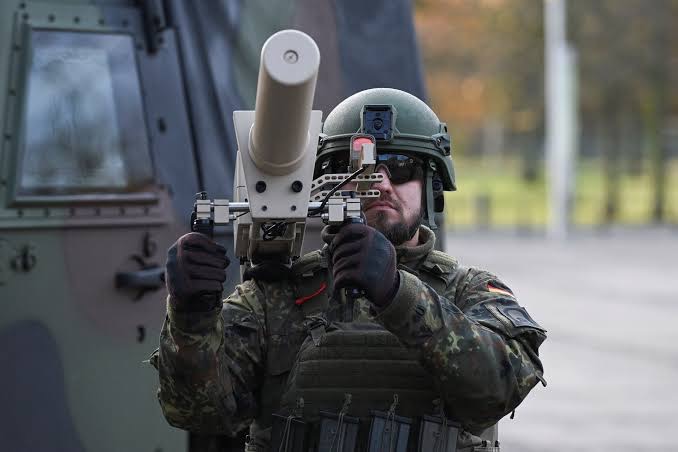
Germany is preparing a broad package of new security measures aimed at protecting airports and other critical infrastructure from drone attacks, cyber intrusions and acts of sabotage. The plans come after a failed drone attack at Leipzig/Halle Airport last month, which German authorities have attributed to Russian actors. Moscow has denied the accusations.
Strengthening Protection Against Drones
Germany’s Interior Ministry says the country needs stronger defenses against a growing range of hybrid threats. The planned measures are expected to focus not only on drones, but also on cyberattacks and attempts to disrupt critical infrastructure.
The Leipzig/Halle incident has increased pressure on the German government to improve its ability to detect and respond to suspicious unmanned aircraft near sensitive locations. The airport is an important civilian freight hub and also plays a role in NATO logistics.
Leipzig Incident Raises Alarm
The security concerns intensified after airport workers discovered a drone carrying explosives and a detonator near a Ukrainian cargo aircraft at Leipzig/Halle Airport in August.
German authorities subsequently announced that their investigation had identified Russian involvement. Berlin has described the incident as part of a broader pattern of hybrid operations targeting European infrastructure. Russia has strongly rejected the allegations and called them baseless.
Wider Threat to Critical Infrastructure
The German government is also concerned about other recent incidents involving critical infrastructure. In Brandenburg, authorities investigated a sabotage attack targeting high-voltage electricity lines, while other incidents have raised concerns about possible foreign interference.
German officials have increasingly warned that threats may come in different forms, ranging from drones and cyberattacks to sabotage and espionage. The government therefore wants a more comprehensive security system capable of responding quickly to different types of attacks.
Growing Tensions With Russia
The new measures come at a particularly tense moment in German-Russian relations. Berlin has taken diplomatic action against Moscow following the Leipzig incident, while Russia has denied responsibility and accused Germany of escalating the confrontation.
Russian Foreign Minister Sergei Lavrov has also sharply criticized Germany’s accusations, describing them as an extremely serious escalation.
Germany’s planned anti-drone measures therefore represent more than a response to a single airport incident. They are part of a wider effort to strengthen national security as European governments become increasingly concerned about hybrid threats.
For Berlin, the message is clear: airports, energy facilities and other critical infrastructure must be better protected against a new generation of security threats.