


Hungary’s Renowned Tattoo Artists: Tradition, Creativity, and Global Recognition
Over the past two decades, Hungary has emerged as one of Central Europe’s most dynamic centers for tattoo art.
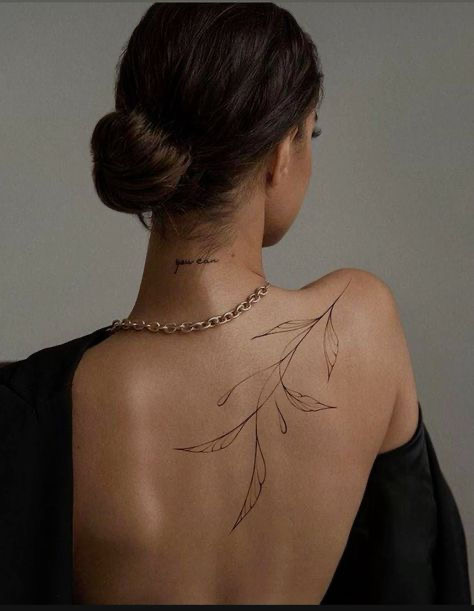
Over the past two decades, Hungary has emerged as one of Central Europe’s most dynamic centers for tattoo art. What was once considered a niche subculture has evolved into a respected artistic profession, attracting international clients and earning recognition at tattoo conventions around the world.
Hungarian tattoo artists are known for their technical precision, creativity, and ability to blend traditional craftsmanship with modern artistic trends. From black and grey realism to vibrant color work and intricate geometric designs, Hungary’s tattoo scene reflects both global influences and unique local talent.
The Rise of Tattoo Culture in Hungary
Tattooing in Hungary has undergone a remarkable transformation since the 1990s. As social attitudes toward body art became more accepting, professional studios began to flourish, particularly in Budapest and other major cities.
Today, Hungarian tattoo artists regularly collaborate with international clients, participate in global conventions, and showcase their work on social media platforms that reach audiences far beyond the country’s borders.
Internationally Recognized Hungarian Tattoo Artists
Several Hungarian artists have built strong reputations within the international tattoo community through their distinctive styles and exceptional craftsmanship.
Róbert Borbás
Known internationally under the name “Grindesign,” Róbert Borbás is among Hungary’s most recognized tattoo artists. His work combines elements of realism, graphic design, surrealism, and fine art, resulting in highly original blackwork compositions.
His unique visual language has attracted clients from around the world and helped establish Hungary as a destination for high end tattoo artistry.
Balázs Bercsényi
Balázs Bercsényi gained international acclaim for his minimalist fine line tattoos. His delicate approach, often featuring geometric forms, abstract concepts, and subtle compositions, has influenced modern tattoo trends worldwide.
His work demonstrates how simplicity and precision can create powerful artistic statements.
Norbert Székely
Norbert Székely is recognized for highly detailed realism tattoos that showcase exceptional technical skill. Portraits, wildlife imagery, and intricate shading are among the hallmarks of his work.
His dedication to detail has earned respect among both clients and fellow professionals.
Budapest: The Heart of Hungarian Tattoo Art
Budapest serves as the center of Hungary’s tattoo industry. The city hosts numerous professional studios, guest artists from around the world, and events that bring together tattoo enthusiasts and practitioners.
The capital’s creative atmosphere, vibrant arts community, and growing international visibility have contributed significantly to the development of the country’s tattoo scene.
Diversity of Styles
One of the strengths of Hungarian tattoo artists is their versatility. Popular styles include:
- Black and grey realism
- Fine line and minimalist tattoos
- Geometric and ornamental designs
- Neo-traditional tattooing
- Watercolor inspired artwork
- Japanese influenced compositions
- Custom illustrative pieces
This diversity allows clients to find artists whose styles align closely with their personal visions.
Tattoo Conventions and International Influence
Hungarian artists regularly participate in European tattoo conventions, where they compete, exchange techniques, and present their latest work. These events have helped raise the profile of Hungarian tattooing and foster connections with artists from across the globe.
The growth of digital platforms has further expanded opportunities, enabling Hungarian tattoo artists to reach international audiences and attract tattoo collectors willing to travel specifically for their work.
The Future of Hungarian Tattoo Art
As tattooing continues to gain mainstream acceptance, Hungary’s tattoo community is poised for further growth. Younger artists are experimenting with new techniques, digital design tools, and hybrid artistic approaches while maintaining the high standards of craftsmanship for which Hungarian tattooing has become known.
This combination of innovation and technical excellence suggests that Hungary will remain an important contributor to the global tattoo industry for years to come.
Conclusion
Hungary’s tattoo artists have successfully transformed tattooing into a respected form of contemporary art. Through creativity, technical mastery, and international collaboration, they have built a reputation that extends far beyond the country’s borders.
Whether through striking realism, elegant fine line work, or bold experimental designs, Hungarian tattoo artists continue to demonstrate that great art can be found not only in galleries and museums, but also on the human canvas.