

Hungary’s Most Iconic Coffee Houses: Where History Meets Coffee Culture
Hungary is renowned not only for its rich history, thermal baths, and architecture but also for its remarkable café
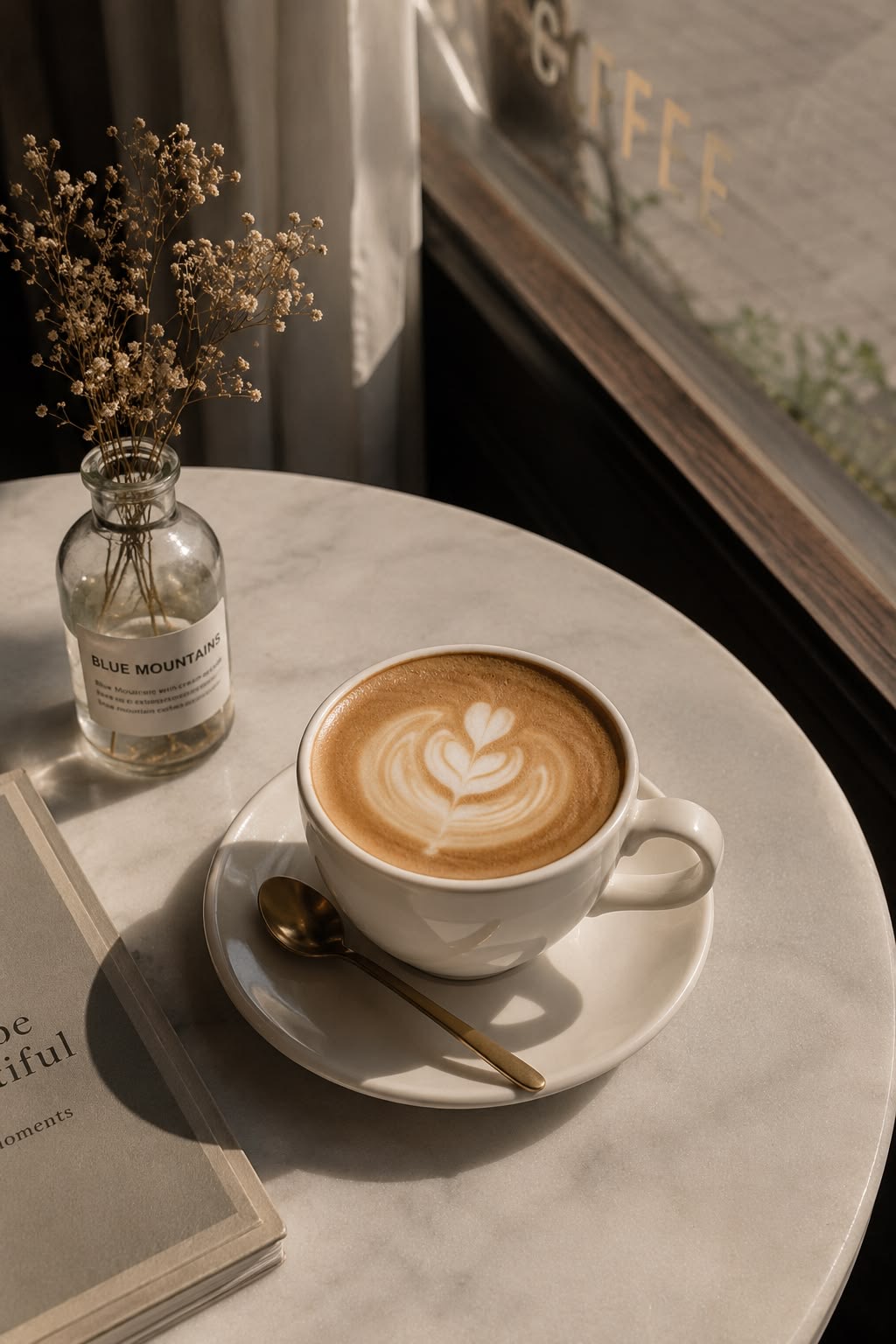
Hungary is renowned not only for its rich history, thermal baths, and architecture but also for its remarkable café culture. For more than a century, coffee houses have played a central role in Hungarian social, intellectual, and artistic life. Writers, poets, journalists, and politicians once gathered in Budapest’s grand cafés to exchange ideas, create masterpieces, and shape the nation’s cultural identity.
Today, many of these historic establishments continue to thrive, offering visitors a unique blend of tradition, elegance, and exceptional coffee.
The Golden Age of Hungarian Coffee Houses
The late 19th and early 20th centuries marked the golden age of Budapest’s café culture. At the time, the city was home to hundreds of coffee houses, many operating around the clock. These venues served as informal offices, meeting places, and creative hubs for intellectuals and artists.
The influence of these cafés extended far beyond coffee. Newspapers were edited, literary movements were born, and political debates flourished within their walls.
The New York Café
New York Café
Often described as “the most beautiful café in the world,” the New York Café is perhaps Hungary’s most famous coffee house. Opened in 1894, it features stunning Renaissance and Baroque inspired interiors, gilded ceilings, marble columns, and crystal chandeliers.
The café became a gathering place for some of Hungary’s leading writers and journalists. Today, visitors can enjoy traditional Hungarian pastries, specialty coffees, and an atmosphere that evokes the grandeur of Budapest’s Belle Époque era.
The Centrál Café
Centrál Grand Café & Bar
Founded in 1887, the Centrál Café was one of Budapest’s most influential literary cafés. Numerous authors and editors met here regularly, making it a focal point of Hungary’s intellectual life.
After extensive renovations, the café has regained much of its historic charm while embracing contemporary culinary and coffee traditions.
The Gerbeaud Café
Gerbeaud Café
Established in the 19th century, Gerbeaud is one of Europe’s most prestigious confectioneries and cafés. It is particularly famous for its elegant desserts, including the iconic Gerbeaud slice, named after the Swiss born confectioner who helped build the establishment’s reputation.
The café remains a favorite destination for both locals and international visitors seeking a classic Budapest experience.
The Café Gerlóczy
Gerlóczy Café
Located on a charming square in Budapest’s city center, Gerlóczy offers a distinctly Parisian atmosphere. While younger than some of the city’s grand historic cafés, it has earned a reputation for quality coffee, excellent cuisine, and a relaxed European ambiance.
Its terrace is particularly popular during the warmer months.
The Ruszwurm Confectionery
Ruszwurm Cukrászda
Situated in the historic Castle District, Ruszwurm is one of Budapest’s oldest continuously operating confectioneries. Founded in 1827, it is celebrated for its traditional Hungarian pastries and intimate atmosphere.
Although smaller than the city’s grand cafés, it provides a fascinating glimpse into Hungary’s culinary heritage.
The Revival of Modern Coffee Culture
Alongside these historic institutions, Budapest has experienced a specialty coffee revolution. Independent cafés and artisan roasters have introduced new brewing methods, single-origin coffees, and a stronger focus on quality and sustainability.
This modern movement complements the city’s historic café tradition, creating a vibrant coffee scene that appeals to both purists and contemporary coffee enthusiasts.
Conclusion
Hungary’s famous coffee houses are much more than places to drink coffee. They are living monuments to the country’s cultural, literary, and social history. From the opulent halls of the New York Café to the intimate charm of Ruszwurm, these establishments continue to preserve a tradition that has shaped Budapest’s identity for generations.
For travelers and coffee lovers alike, exploring Hungary’s historic cafés offers an unforgettable journey through the heart of the nation’s cultural heritage.