



The Soul of Hungarian Cuisine: Tradition, Flavor, and Timeless Secrets
Hungarian cuisine is more than a collection of recipes it is a rich expression of history, geography, and cultural
Hungarian cuisine is more than a collection of recipes it is a rich expression of history, geography, and cultural identity. Rooted in centuries old traditions and shaped by a blend of influences from Central Europe, the Balkans, and the Ottoman Empire, Hungary’s culinary heritage offers a distinctive and deeply satisfying gastronomic experience.
At the heart of Hungarian cooking lies a profound respect for flavor. Dishes are often bold, hearty, and unapologetically rich, built on carefully layered ingredients rather than complexity for its own sake. Perhaps the most iconic of all is goulash, a slow cooked beef soup seasoned generously with paprika. While often misunderstood abroad as a thick stew, authentic Hungarian goulash is closer to a soup aromatic, vibrant, and deeply comforting.
Paprika, in fact, is the cornerstone of Hungarian cuisine. Introduced during the Ottoman era, it has since become a defining ingredient, lending both color and a distinctive sweetness or heat depending on the variety. Hungarian cooks treat paprika with particular care: it is typically added off the heat to prevent bitterness, a small but essential technique that reflects the precision behind seemingly rustic dishes.
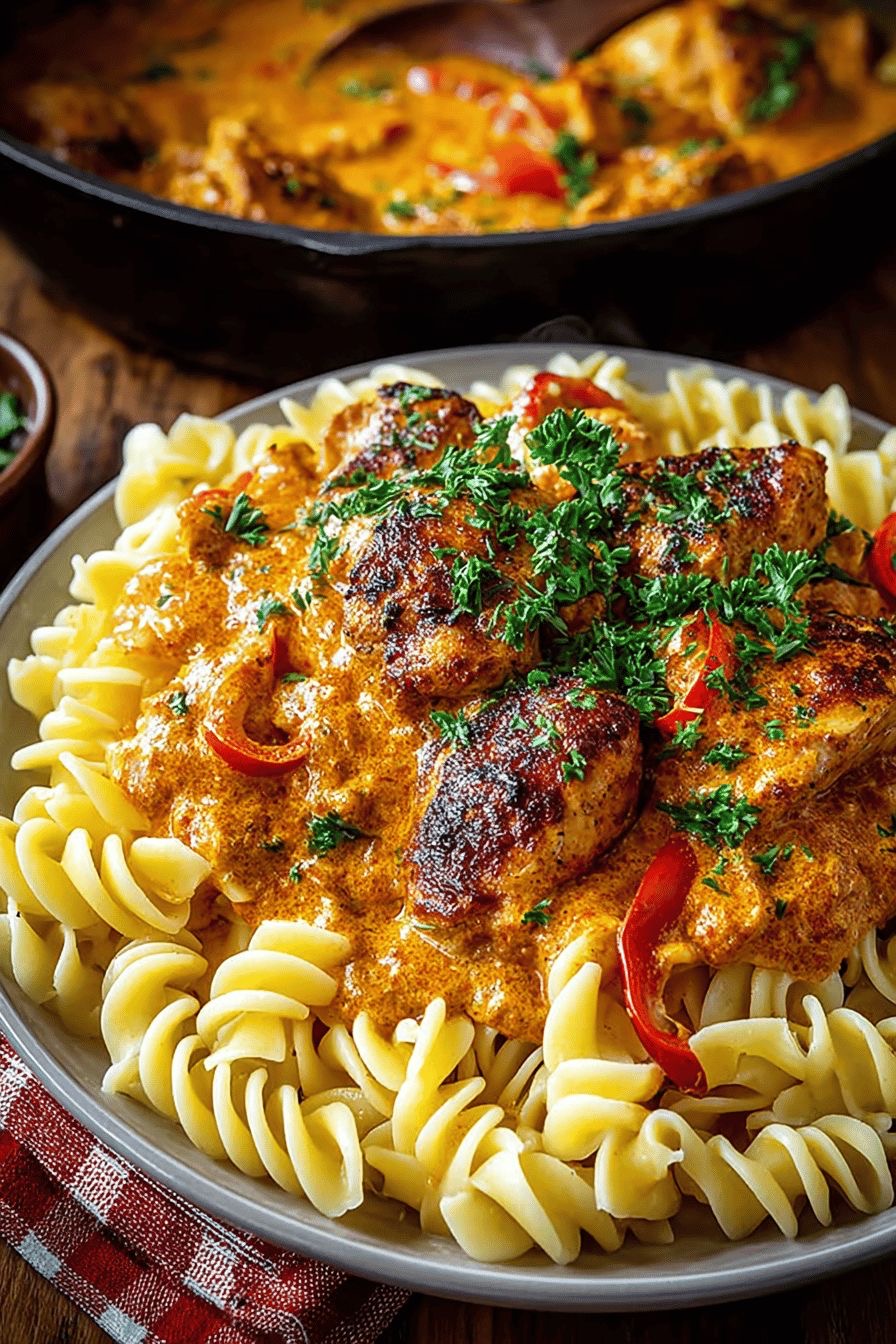
Another celebrated classic is chicken paprikash, where tender pieces of chicken are simmered in a creamy paprika based sauce. The dish is traditionally served with nokedli, small, soft dumplings that soak up the rich flavors. This balance of texture and taste creamy, savory, and slightly tangy is a hallmark of Hungarian cooking.
Stuffed dishes also play a central role. Cabbage rolls, known as töltött káposzta, combine minced meat, rice, and spices wrapped in fermented cabbage leaves, then slow cooked to develop a deep, tangy flavor. Similarly, stuffed peppers highlight the Hungarian love of combining simple ingredients into something far greater than the sum of its parts.
Hungarian cuisine is also famous for its soups, which are often considered the highlight of a meal rather than a mere starter. Fisherman’s soup, or halászlé, is a fiery, paprika rich fish soup made with river fish, reflecting Hungary’s strong connection to its waterways. Each region boasts its own variation, with subtle differences in preparation and spice levels.
No exploration of Hungarian food would be complete without mentioning its desserts. Dobos torte, with its layers of sponge cake, chocolate buttercream, and a crisp caramel topping, is a masterpiece of confectionery. Kürtőskalács, or chimney cake, offers a more rustic delight sweet dough wrapped around a spit, baked over an open flame, and coated in sugar that caramelizes into a crunchy exterior.
What truly sets Hungarian cuisine apart, however, is not just its ingredients or recipes, but its philosophy. Cooking is often a slow, communal activity, where recipes are passed down through generations and meals are meant to be shared. Techniques are guided as much by intuition as by measurement, and the “secret” of many dishes lies in patience the willingness to let flavors develop fully over time.
In recent years, Hungary has seen a revival of its culinary traditions, with chefs reinterpreting classic dishes while staying true to their essence. This blend of innovation and respect for heritage ensures that Hungarian cuisine remains both relevant and deeply rooted.
To taste Hungary is to experience a story one of resilience, creativity, and a deep love of food. Whether in a humble countryside kitchen or a modern Budapest restaurant, each dish carries with it a sense of place and history that is unmistakably Hungarian.