

The Man Behind Tupac’s Murder: Who Is Duane “Keffe D” Davis?
For nearly three decades, the murder of Tupac Shakur remained one of the biggest unsolved mysteries in music history.






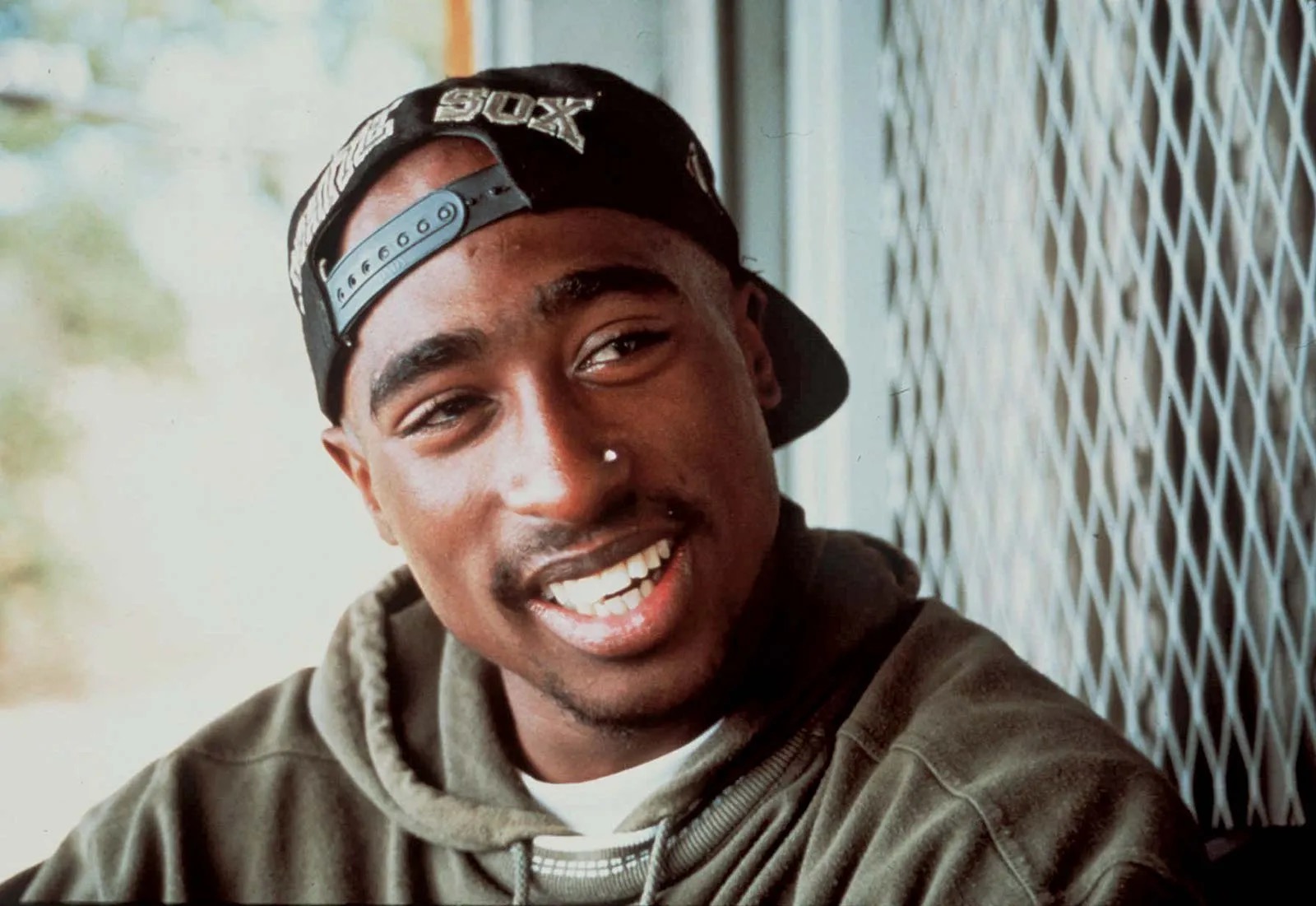
For nearly three decades, the murder of Tupac Shakur remained one of the biggest unsolved mysteries in music history. On September 7, 1996, the legendary rapper was shot in a drive-by attack in Las Vegas. Six days later, at just 25 years old, Tupac died from his injuries.
Now, almost 30 years after the shooting, the case has finally reached a historic conclusion.
On August 31, 2026, a Las Vegas jury found Duane “Keffe D” Davis guilty of first-degree murder in connection with Tupac Shakur’s death. Davis, a former leader of the South Side Compton Crips, was accused of organizing the attack rather than personally pulling the trigger.
Who Is Keffe D?
Duane Keith Davis, widely known by his nickname “Keffe D,” was a prominent figure associated with the South Side Compton Crips gang in California.
According to prosecutors, Davis became involved in Tupac’s murder after an altercation earlier on the same night. Tupac and members of his entourage had attacked Davis’ nephew, Orlando “Baby Lane” Anderson, inside the MGM Grand following a Mike Tyson boxing match.
Prosecutors argued that the incident triggered a desire for revenge.
Davis allegedly gathered several associates, obtained a firearm and helped organize the search for Tupac. Later that night, a white Cadillac pulled alongside the BMW carrying Tupac and Death Row Records co-founder Marion “Suge” Knight. Shots were fired, hitting Tupac four times.
Davis Was Not the Shooter
One of the most important details of the case is that Davis was not accused of personally firing the fatal shots.
Investigators have long suspected that someone inside the Cadillac fired the weapon, but the identity of the shooter was never conclusively established in court. The other men believed to have been involved in the vehicle are now deceased.
Nevertheless, prosecutors argued that Davis played a central role in planning and facilitating the attack. Under Nevada law, a person who intentionally helps orchestrate a murder can be held criminally responsible even if they do not physically pull the trigger.
His Own Words Became Crucial Evidence
Perhaps the most extraordinary element of the case was the amount of information Davis himself had publicly provided over the years.
Davis repeatedly discussed Tupac’s murder in interviews and eventually co-wrote the 2019 memoir Compton Street Legend. Prosecutors used statements from his interviews, the book and recorded conversations as key evidence.
A Nevada judge ruled before the trial that the memoir and a 2008 police interview could be presented to the jury.
The prosecution’s case therefore relied heavily on a simple but powerful argument: Davis had repeatedly talked about the crime and described his own involvement.
The defense, however, argued that Davis had exaggerated or fictionalized parts of his story over the years to gain attention and make money. His attorneys also questioned whether investigators had enough independent evidence to support his claims.
A Murder That Changed Hip-Hop Forever
Tupac Shakur’s death became much more than a criminal investigation. It became one of the defining tragedies of 1990s hip-hop.
At the time of his death, Tupac was one of the biggest artists in the world. His music addressed poverty, racism, violence, inequality, relationships and life on the streets. His rivalry with artists associated with the East Coast of the United States also made his death part of a much larger cultural narrative surrounding the so-called East Coast–West Coast hip-hop conflict.
Over the years, countless conspiracy theories emerged. Some questioned who was ultimately responsible, while others suggested that Tupac had somehow survived the shooting. None of these theories changed the fundamental fact that Shakur died in Las Vegas on September 13, 1996.
Nearly 30 Years of Questions
The investigation remained unresolved for decades. Witnesses were reluctant to cooperate, several people connected to the case died, and investigators struggled to build a case strong enough for prosecution.
Davis was eventually arrested in September 2023 and charged with murder. His trial finally began in August 2026.
After weeks of proceedings and testimony, the jury deliberated for less than three hours before finding Davis guilty.
Davis, now 63, faces the possibility of life in prison. Sentencing is scheduled for October 13, 2026, and he has indicated that he intends to appeal the verdict.
The End of a 30-Year Mystery?
The conviction represents a major turning point in one of the most famous murder cases in music history.
However, one important question remains unanswered: Who actually pulled the trigger?
Davis has been convicted for orchestrating the killing, but the identity of the person who fired the shots has never been conclusively established in court.
For Tupac’s family and millions of fans around the world, the verdict nevertheless represents something that seemed impossible for decades — accountability in a case that had remained frozen in the past.
Almost 30 years after the gunshots echoed through the streets of Las Vegas, Tupac Shakur’s death has finally resulted in a murder conviction.
But the mystery surrounding the gunman himself may never completely disappear.