

Hungary’s Property Market Faces a New Reality in 2026
After years of explosive growth, Hungary’s real estate market is entering a more balanced period, although housing prices remain
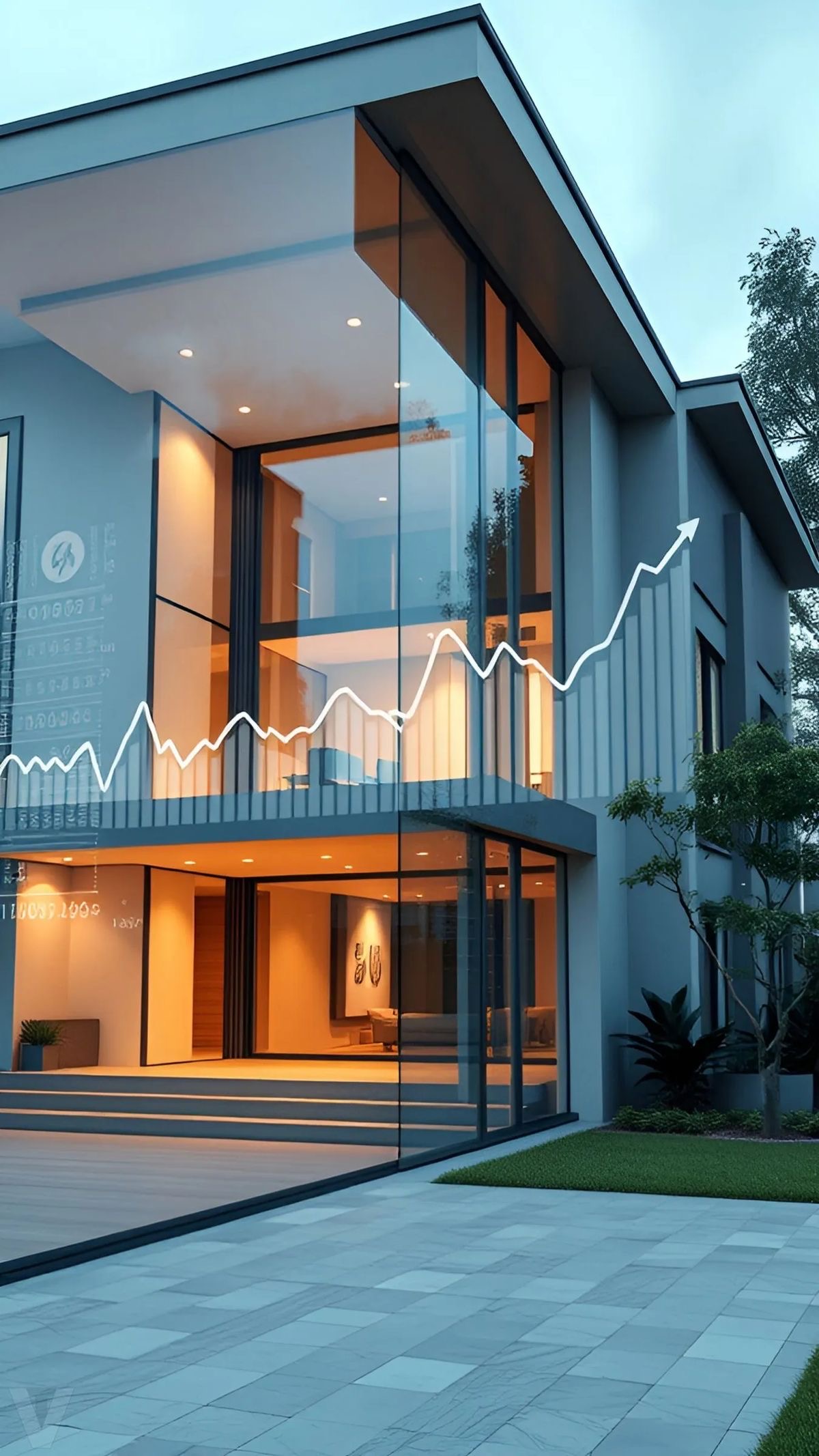
After years of explosive growth, Hungary’s real estate market is entering a more balanced period, although housing prices remain historically high. Budapest continues to dominate the sector, with strong demand from investors, expatriates, and buyers seeking rental income, while regional differences across the country are becoming increasingly visible.
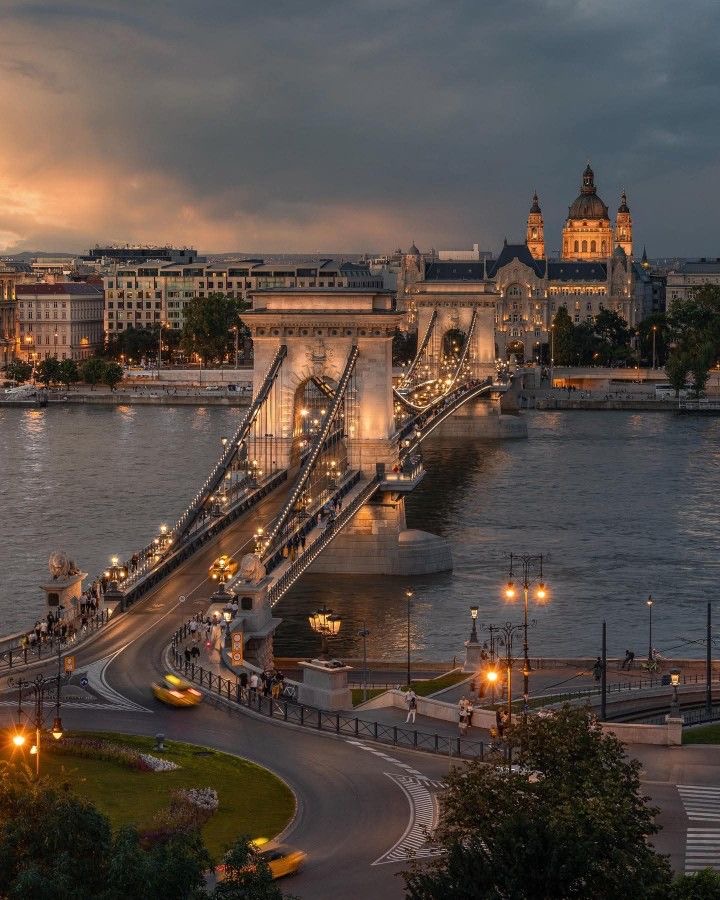
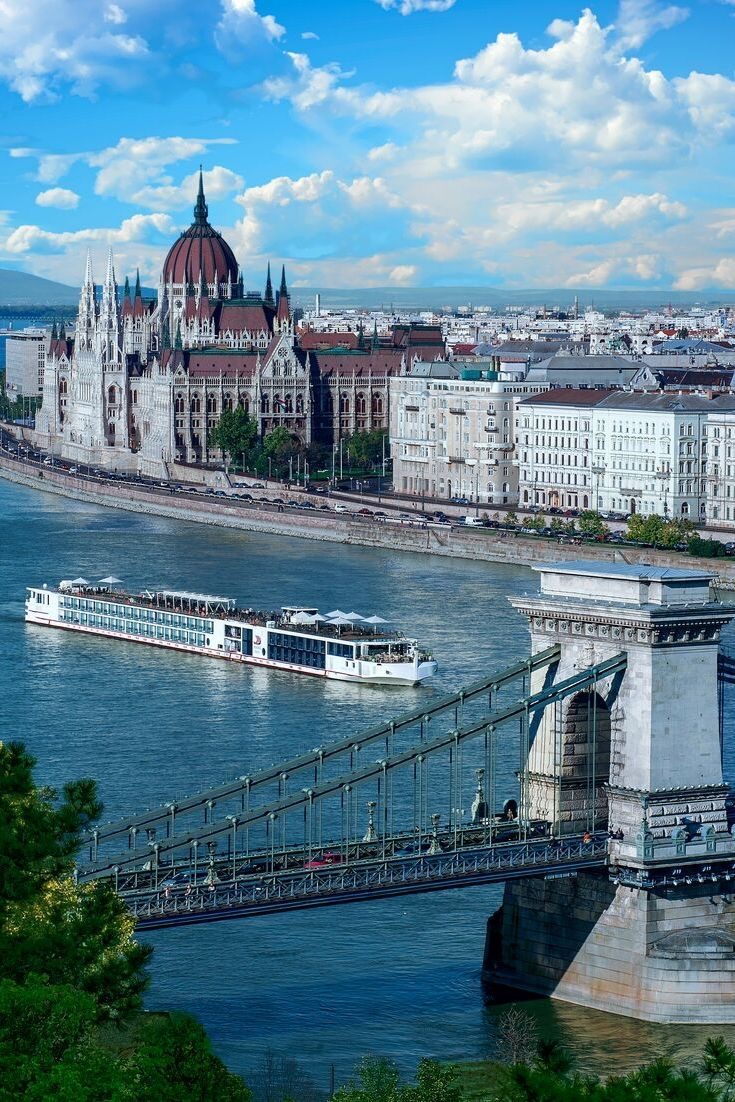
In the capital, prices for newly built apartments in central districts remain among the highest in Central Europe. Demand is still driven by tourism, foreign investment, and limited housing supply. At the same time, construction costs and inflation have significantly slowed new developments, making modern, energy efficient properties especially valuable.
Outside Budapest, the market presents a mixed picture. Cities such as Debrecen, Győr, and Szeged have seen substantial growth thanks to industrial investment and expanding job opportunities. However, many smaller towns continue to struggle with weaker demand and declining populations, creating a sharp divide between booming urban centers and less developed rural regions.
Government housing policies continue to shape the market through family subsidies and mortgage support programs. While these measures helped many buyers enter the market, critics argue they also contributed to rising prices and worsening affordability for younger Hungarians.
The rental market remains strong, particularly in Budapest and university cities, where demand from students, foreign workers, and young professionals continues to grow. Meanwhile, foreign buyers still view Hungary as relatively affordable compared to Western European markets, especially in the luxury and holiday home segments.
Although experts no longer expect the rapid price surges seen in previous years, Hungary’s real estate sector remains one of the country’s most important economic drivers, reflecting broader trends in inflation, investment, and urban development.