


Autumn Traditions: How the World Celebrates the Season of Change
As the days become shorter, the temperature drops and the leaves slowly change from green to shades of yellow,





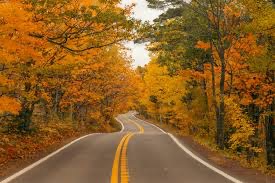
As the days become shorter, the temperature drops and the leaves slowly change from green to shades of yellow, orange and red, autumn arrives.
For many people, autumn is more than just a change in weather. It is a season filled with traditions, festivals and cultural celebrations that have been passed down from generation to generation.
From harvest festivals to Halloween, autumn has always been a time for communities to come together, celebrate nature and prepare for the colder months ahead.
Harvest Festivals
One of the oldest autumn traditions is the celebration of the harvest.
For centuries, autumn has been an important time for farmers. After months of growing crops, the harvest represented the result of a year’s hard work.
Many cultures developed festivals to celebrate a successful harvest. People would gather for large meals, music, dancing and religious ceremonies. They would give thanks for the food they had grown and hope for a good year ahead.
Although fewer people today depend directly on agriculture, harvest festivals are still celebrated in many parts of the world.
Halloween
Perhaps the most famous autumn tradition is Halloween.
Halloween takes place on October 31 and is particularly popular in the United States, Canada, Ireland and the United Kingdom, although its popularity has spread to many other countries.
People decorate their homes with pumpkins, ghosts and other spooky decorations. Children often dress up in costumes and go from house to house asking for sweets.
The tradition has ancient roots. It is connected to the Celtic festival of Samhain, which marked the end of the harvest season and the beginning of winter.
Over time, these traditions mixed with Christian and later popular cultural influences, creating the Halloween celebrated today.
Pumpkin Carving
Pumpkin carving has become one of the symbols of autumn.
The tradition of creating a “jack-o’-lantern” is particularly associated with Halloween. People carve faces into pumpkins, place a light inside and display them outside their homes.
Interestingly, pumpkins were not always used for this tradition. In Ireland and Scotland, people originally carved turnips and other root vegetables.
When the tradition became popular in North America, pumpkins became the preferred choice because they were larger and easier to carve.
Today, pumpkin carving has become a creative autumn activity for families and friends.
Thanksgiving
Another major autumn tradition is Thanksgiving.
In the United States, Thanksgiving is celebrated on the fourth Thursday of November. Families and friends traditionally gather for a large meal, with turkey, potatoes, vegetables and pumpkin pie among the most common dishes.
The holiday is associated with giving thanks and spending time with loved ones.
Canada also celebrates Thanksgiving, although it takes place earlier, in October.
Despite differences between the two celebrations, the central idea is similar: appreciating what we have and spending time with the people who matter to us.
Bonfire Night
In the United Kingdom, another well-known autumn tradition is Bonfire Night, celebrated on November 5.
The evening is marked by large bonfires and fireworks. The tradition dates back to the Gunpowder Plot of 1605, when Guy Fawkes and his companions attempted to blow up the Houses of Parliament.
Today, Bonfire Night is primarily a large public event featuring fireworks, bonfires and gatherings with friends and family.
For many people, it has become more about the atmosphere and community than its historical origins.
Autumn Food Traditions
Food is an important part of autumn traditions around the world.
As temperatures fall, people often turn to warmer and more comforting meals. Soups, stews, roasted vegetables, apples, pumpkins and various spices become particularly popular.
In many countries, autumn is also associated with seasonal products such as grapes, chestnuts, mushrooms and apples.
These foods are often connected to local festivals and family traditions.
In Hungary, for example, autumn is closely associated with grape harvests and wine-related traditions. Harvest celebrations can include music, dancing, traditional food and community events.
Autumn Traditions Today
Although many autumn traditions have ancient origins, they continue to evolve.
Social media has helped spread celebrations across borders. Halloween, pumpkin carving and autumn-themed events have become increasingly popular in countries where they were not traditionally celebrated.
At the same time, people are creating new traditions of their own.
Going on autumn walks, drinking pumpkin-spiced coffee, visiting seasonal markets or taking photographs among colourful leaves may not have centuries of history behind them, but they have become part of the modern autumn experience.
Why Do We Love Autumn Traditions?
Perhaps the reason autumn traditions have survived for so long is simple: they bring people together.
The season itself represents change. Summer ends, nature transforms and winter approaches.
Traditions give people an opportunity to slow down, spend time with family and friends, enjoy seasonal food and celebrate another year.
Whether it is a harvest festival in a small village, Halloween with friends or a family dinner around a table, autumn traditions remind us that even as the seasons change, some things remain the same.
Autumn may be a season of change, but its traditions are a way of keeping the past alive while creating new memories for the future.
Autumn Traditions: How the World Celebrates the Season of Change
As the days become shorter, the temperature drops and the leaves slowly change from green to shades of yellow, orange and red, autumn arrives.
For many people, autumn is more than just a change in weather. It is a season filled with traditions, festivals and cultural celebrations that have been passed down from generation to generation.
From harvest festivals to Halloween, autumn has always been a time for communities to come together, celebrate nature and prepare for the colder months ahead.
Harvest Festivals
One of the oldest autumn traditions is the celebration of the harvest.
For centuries, autumn has been an important time for farmers. After months of growing crops, the harvest represented the result of a year’s hard work.
Many cultures developed festivals to celebrate a successful harvest. People would gather for large meals, music, dancing and religious ceremonies. They would give thanks for the food they had grown and hope for a good year ahead.
Although fewer people today depend directly on agriculture, harvest festivals are still celebrated in many parts of the world.
Halloween
Perhaps the most famous autumn tradition is Halloween.
Halloween takes place on October 31 and is particularly popular in the United States, Canada, Ireland and the United Kingdom, although its popularity has spread to many other countries.
People decorate their homes with pumpkins, ghosts and other spooky decorations. Children often dress up in costumes and go from house to house asking for sweets.
The tradition has ancient roots. It is connected to the Celtic festival of Samhain, which marked the end of the harvest season and the beginning of winter.
Over time, these traditions mixed with Christian and later popular cultural influences, creating the Halloween celebrated today.
Pumpkin Carving
Pumpkin carving has become one of the symbols of autumn.
The tradition of creating a “jack-o’-lantern” is particularly associated with Halloween. People carve faces into pumpkins, place a light inside and display them outside their homes.
Interestingly, pumpkins were not always used for this tradition. In Ireland and Scotland, people originally carved turnips and other root vegetables.
When the tradition became popular in North America, pumpkins became the preferred choice because they were larger and easier to carve.
Today, pumpkin carving has become a creative autumn activity for families and friends.
Thanksgiving
Another major autumn tradition is Thanksgiving.
In the United States, Thanksgiving is celebrated on the fourth Thursday of November. Families and friends traditionally gather for a large meal, with turkey, potatoes, vegetables and pumpkin pie among the most common dishes.
The holiday is associated with giving thanks and spending time with loved ones.
Canada also celebrates Thanksgiving, although it takes place earlier, in October.
Despite differences between the two celebrations, the central idea is similar: appreciating what we have and spending time with the people who matter to us.
Bonfire Night
In the United Kingdom, another well-known autumn tradition is Bonfire Night, celebrated on November 5.
The evening is marked by large bonfires and fireworks. The tradition dates back to the Gunpowder Plot of 1605, when Guy Fawkes and his companions attempted to blow up the Houses of Parliament.
Today, Bonfire Night is primarily a large public event featuring fireworks, bonfires and gatherings with friends and family.
For many people, it has become more about the atmosphere and community than its historical origins.
Autumn Food Traditions
Food is an important part of autumn traditions around the world.
As temperatures fall, people often turn to warmer and more comforting meals. Soups, stews, roasted vegetables, apples, pumpkins and various spices become particularly popular.
In many countries, autumn is also associated with seasonal products such as grapes, chestnuts, mushrooms and apples.
These foods are often connected to local festivals and family traditions.
In Hungary, for example, autumn is closely associated with grape harvests and wine-related traditions. Harvest celebrations can include music, dancing, traditional food and community events.
Autumn Traditions Today
Although many autumn traditions have ancient origins, they continue to evolve.
Social media has helped spread celebrations across borders. Halloween, pumpkin carving and autumn-themed events have become increasingly popular in countries where they were not traditionally celebrated.
At the same time, people are creating new traditions of their own.
Going on autumn walks, drinking pumpkin-spiced coffee, visiting seasonal markets or taking photographs among colourful leaves may not have centuries of history behind them, but they have become part of the modern autumn experience.
Why Do We Love Autumn Traditions?
Perhaps the reason autumn traditions have survived for so long is simple: they bring people together.
The season itself represents change. Summer ends, nature transforms and winter approaches.
Traditions give people an opportunity to slow down, spend time with family and friends, enjoy seasonal food and celebrate another year.
Whether it is a harvest festival in a small village, Halloween with friends or a family dinner around a table, autumn traditions remind us that even as the seasons change, some things remain the same.
Autumn may be a season of change, but its traditions are a way of keeping the past alive while creating new memories for the future.