
For the First Time in a Long While, an EU Summit May End Without a Hungarian Veto
For the first time as Prime Minister, Péter Magyar will participate in a meeting of the European Council, where a packed
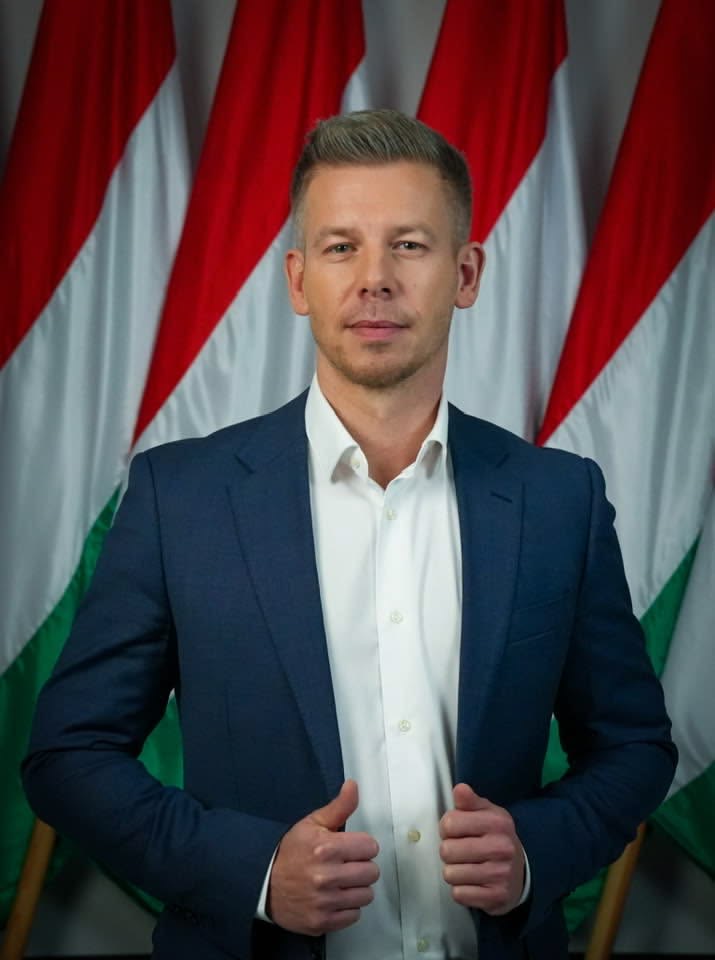
For the first time as Prime Minister, Péter Magyar will participate in a meeting of the European Council, where a packed agenda awaits the Hungarian head of government. The summit, scheduled to last two days this time, will cover a number of important issues that are expected to spark intense debates among EU leaders particularly regarding the EU budget. However, for the first time in a long while, an EU summit could conclude without the Hungarian prime minister being the sole leader to reject the joint conclusions on Ukraine.
On June 18, EU heads of state and government will meet. Since António Costa assumed the presidency of the European Council, it has become customary for summits to begin in the afternoon rather than the morning. This meeting is also planned to last two days instead of one.
The reason is that the G7 Summit held in Évian, France, was ultimately postponed by one day, and participating leaders were given additional time to rest and prepare.
Another novelty is that this will be the first EU summit at which Hungary will be represented by its new prime minister, Péter Magyar, rather than Viktor Orbán.
The agenda is extensive and includes several contentious issues on which member states remain far apart.
Will There Be a Unanimous Decision on Ukraine?
As is customary, the summit will begin with a brief exchange of views with Roberta Metsola, President of the European Parliament, after which EU leaders will discuss Ukraine and the war in Ukraine.
Regarding the conflict, the European Union has long supported a lasting and just peace. With the exception of Hungary, the other 26 member states have consistently emphasized in the summit conclusions that Ukraine’s future lies within the European Union and that, provided it meets the necessary accession criteria, it may eventually join the bloc.
However, in recent years Hungary has repeatedly remained outside agreements concerning Ukraine. By rejecting the compromise text, Hungary prevented the adoption of joint conclusions, which were therefore issued on behalf of the other 26 member states.
Initially, the other member states attempted to persuade former Prime Minister Viktor Orbán to endorse a text acceptable to all parties. When it became clear that he had no intention of doing so, they concluded that it was simpler to proceed without Hungary and seek compromises among the remaining 26 member states.
Moreover, following Orbán’s last EU summit, he was accused of violating the principle of sincere cooperation enshrined in the EU treaties after allegedly blocking the implementation of a €90 billion loan package for Ukraine that had been agreed upon in December.