


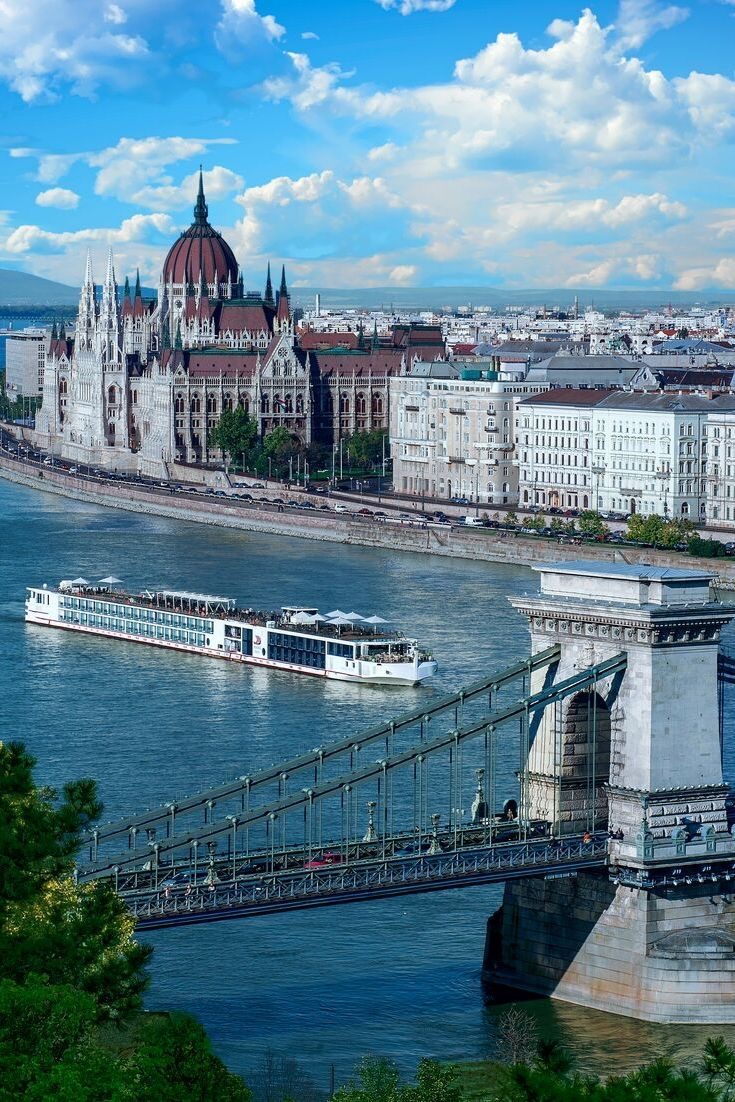
Hungarian Hungarikums: Treasures of National Identity
Hungary, a country rich in history and culture, takes great pride in its unique traditions, products, and intellectual achievements.
Hungary, a country rich in history and culture, takes great pride in its unique traditions, products, and intellectual achievements. These special values are collectively known as “Hungarikums.” The term refers to items that represent the peak of Hungarian performance, creativity, and heritage recognized as distinctive and valuable not only within Hungary but also internationally.
The concept of Hungarikums was officially established by law in 2012, creating a structured system to identify and preserve these national treasures. The Hungarikum Collection includes a wide variety of elements, ranging from food and agricultural products to cultural heritage, industrial innovations, and even natural sites.
One of the most famous Hungarikums is Hungarian gastronomy. Traditional dishes such as goulash (gulyás), fish soup (halászlé), and stuffed cabbage (töltött káposzta) are deeply rooted in the country’s culinary culture. Equally renowned is paprika, a spice that defines Hungarian cuisine and is considered one of the most iconic agricultural products of the nation. Tokaji Aszú wine, often called the “wine of kings,” is another internationally celebrated Hungarikum, known for its rich flavor and historical prestige.
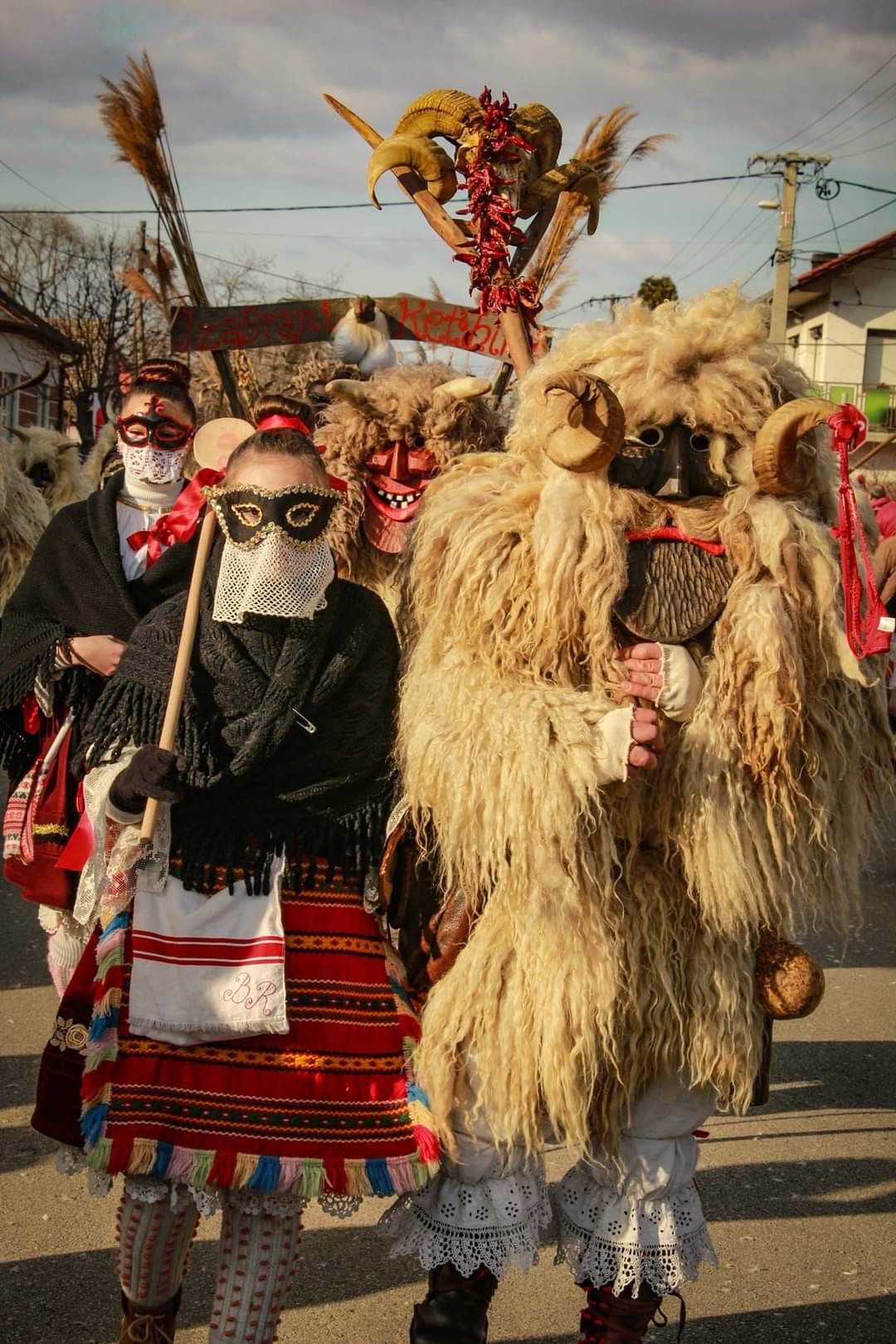
Hungary’s cultural heritage also plays a significant role in the Hungarikum collection. The Busójárás festival in Mohács, a unique folk tradition involving masked costumes and rituals to chase away winter, is recognized as an important cultural asset. Similarly, Hungarian folk art, including embroidery and traditional music, reflects the creativity and identity of the Hungarian people.
In addition to food and culture, Hungarikums include remarkable achievements in science and industry. For example, the invention of the ballpoint pen by László Bíró and the Rubik’s Cube by Ernő Rubik are globally recognized contributions that originated in Hungary. These innovations highlight the country’s intellectual strength and creativity.
Natural treasures are also part of the Hungarikum list. The Hortobágy National Park, a vast steppe landscape, showcases Hungary’s unique ecosystem and traditional pastoral life. The thermal bath culture, based on Hungary’s abundant natural hot springs, is another defining feature that attracts visitors from around the world.
Hungarikums are more than just a collection of notable items they are symbols of national pride and identity. They preserve the past while promoting Hungary’s cultural and economic value on a global scale. By recognizing and protecting these treasures, Hungary ensures that future generations can continue to appreciate and celebrate their rich heritage.