


Hungary’s Hidden Wine Treasure: A Journey Through One of Europe’s Most Underrated Wine Cultures
When people think of European wine, countries like France or Italy usually dominate the conversation. Yet tucked away in





When people think of European wine, countries like France or Italy usually dominate the conversation. Yet tucked away in Central Europe lies a country with over a thousand years of winemaking tradition and one that still flies largely under the international radar. Hungary, with its diverse terroir and distinctive grape varieties, offers a wine culture that is both deeply historic and surprisingly modern.
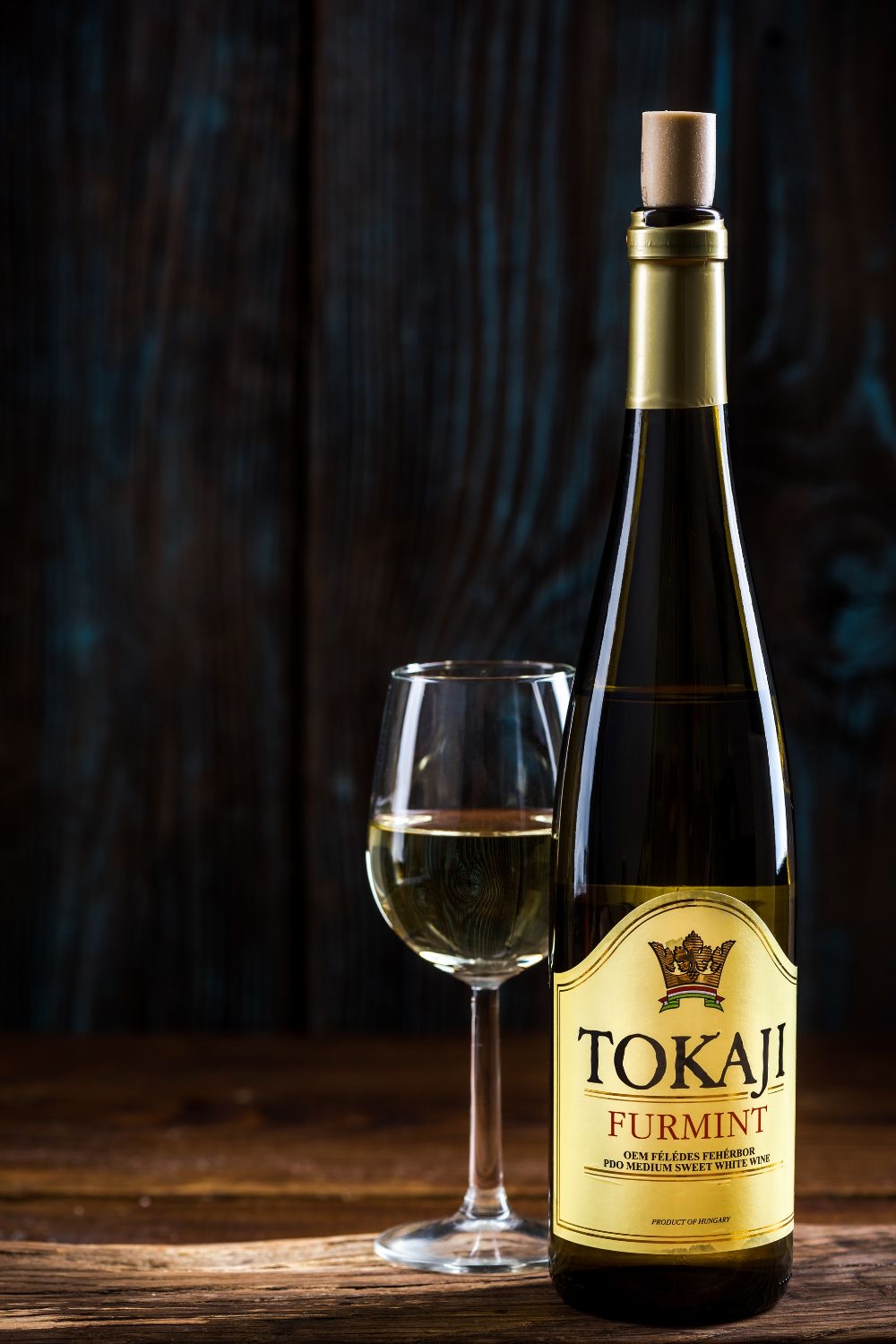
Wine production in Hungary dates back to Roman times, but it was during the Middle Ages that Hungarian wines began to gain international recognition. The crown jewel of this heritage is Tokaj, a region in the northeast of the country that produces one of the world’s most celebrated sweet wines: Tokaji Aszú. Often referred to as the “wine of kings and the king of wines,” it was famously praised by Louis XIV of France and remains a symbol of Hungarian excellence today.Tokaji Aszú is made using grapes affected by noble rot, a natural process caused by the fungus Botrytis cinerea. This concentrates the sugars and flavors, resulting in a rich, complex wine with notes of honey, apricot, and spice. What makes it truly special is its balance despite its sweetness, it retains a vibrant acidity that keeps it fresh and elegant.But Hungary’s wine story extends far beyond Tokaj. The country boasts 22 distinct wine regions, each with its own character. In the north, Eger is known for its famous red blend, Egri Bikavér, or “Bull’s Blood,” a robust wine steeped in legend. According to folklore, Hungarian soldiers drank it during battles against the Ottoman Empire, giving them strength and terrifying their enemies.To the south, Villány produces some of Hungary’s most powerful red wines, often compared to those of Bordeaux. Full bodied and rich, these wines reflect the region’s warm climate and focus on varieties such as Cabernet Franc, which has found a particularly strong identity in Hungarian soil.Hungary is also home to indigenous grape varieties that are rarely found elsewhere. Furmint, the backbone of Tokaji wines, is gaining recognition for its dry expressions, offering crisp acidity and mineral complexity. Hárslevelű, another native grape, brings floral aromas and softness, often complementing Furmint in blends.One of the most compelling aspects of Hungarian wine is its affordability relative to quality. While top bottles can reach premium prices, many excellent wines remain accessible, making Hungary a favorite among those seeking value without compromise.In recent years, a new generation of winemakers has begun to reshape Hungary’s wine identity. Emphasizing sustainability, experimentation, and international standards, they are bridging tradition with innovation. Natural wines, organic practices, and small scale production are becoming increasingly common, attracting attention from sommeliers and wine enthusiasts worldwide.Despite these strengths, Hungarian wine still faces challenges. Limited international marketing, complex labeling systems, and unfamiliar grape names can make it difficult for global consumers to navigate. Yet for those willing to explore, Hungary offers a rewarding experience one that feels both authentic and undiscovered.To drink Hungarian wine is to taste history, geography, and resilience in a glass. It is a reminder that some of the world’s most remarkable wine cultures are not the loudest, but the ones quietly waiting to be discovered.