


Hungarian Minds That Changed the World: Inventors of Global Impact
Hungary, a country of modest size in Central Europe, has produced an extraordinary number of inventors whose ideas have
Hungary, a country of modest size in Central Europe, has produced an extraordinary number of inventors whose ideas have shaped the modern world. From everyday tools to groundbreaking scientific discoveries, Hungarian innovators have left a lasting imprint across continents and generations.
Perhaps one of the most widely recognized names is László Bíró, the journalist turned inventor who created the modern ballpoint pen. Frustrated by the smudging ink of fountain pens, Bíró developed a writing instrument that used quick drying ink and a rolling ball mechanism. Today, billions of people use variations of his invention daily, making it one of the most successful and widespread tools ever created.
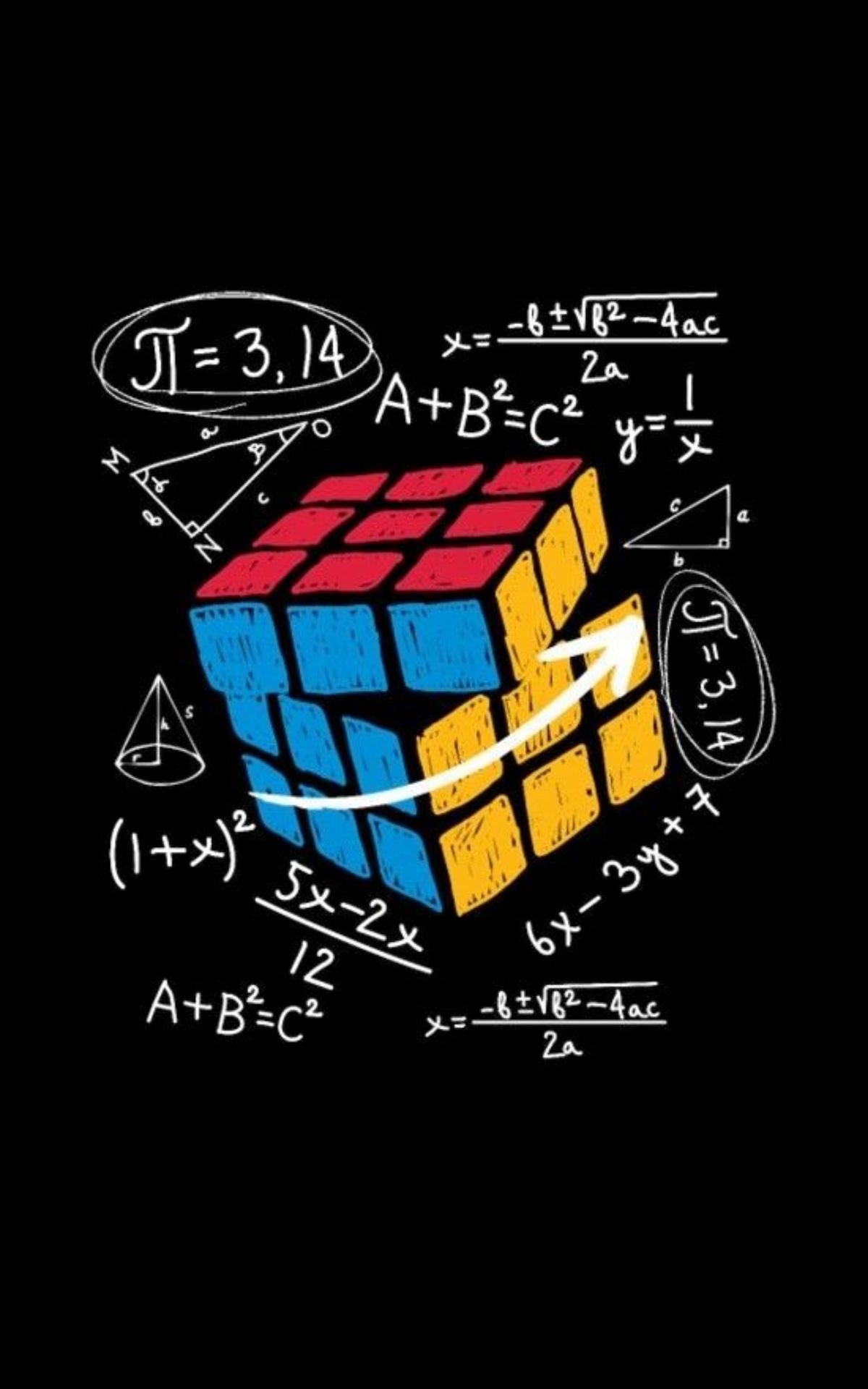
Another towering figure is Ernő Rubik, whose invention, the Rubik’s Cube, became a global phenomenon. Originally designed as a teaching tool to help students understand three dimensional movement, the colorful puzzle went on to captivate millions worldwide. It remains one of the best selling toys of all time and a symbol of creativity and problem solving.
Hungarian innovation also revolutionized the digital age. János Neumann, known internationally as John von Neumann, was a pioneer of modern computer science. His work laid the foundation for the architecture of most computers still in use today. The so called “von Neumann architecture” remains a fundamental principle in computing, underscoring his enduring influence.
In the realm of physics, Leó Szilárd played a crucial role in the development of nuclear energy. He was among the first to conceive the idea of a nuclear chain reaction, a concept that would later transform both energy production and global geopolitics. Szilárd was also instrumental in initiating the scientific discussions that led to the Manhattan Project.
Hungary’s contributions extend to the world of holography through Dénes Gábor, who was awarded the Nobel Prize in Physics for his invention of holography. His work paved the way for technologies used in data storage, security printing, and advanced imaging techniques.
Even in the realm of everyday convenience, Hungarian ingenuity shines. Oszkár Asbóth made significant contributions to early helicopter development, while Ányos Jedlik is credited with early experiments in electric motors and the dynamo principle decades ahead of their widespread adoption.
What makes Hungary particularly remarkable is not just the number of its inventors, but the global scale of their influence. Many of these figures pursued their careers abroad, yet their Hungarian roots remain a point of national pride. Their stories reflect a culture that values education, creativity, and intellectual curiosity.
Today, their legacy lives on not only in textbooks and museums, but in the devices we use, the games we play, and the scientific principles that shape our understanding of the world. Hungarian inventors have not merely contributed to history; they have helped define it.